Fri Jul 3
Specifying windows for a period property or a conservation area scheme carries more risk than most elements of a build. Get the manufacturer wrong and an architect or contractor is left managing planning objections, warranty disputes or a finish that simply doesn’t match the drawings. Get it right and the sash window becomes one of the least troublesome parts of the project.
For architects, specifiers and main contractors, the question is rarely whether to specify timber sash windows. On heritage schemes and in conservation areas, that decision is often made for you.
The real question is which sash window manufacturer can deliver the design intent, meet compliance requirements and stand behind the work once it’s installed.
Why the manufacturer matters as much as the specification
A drawing can call for traditional timber sash windows with slim glazing bars and a particular horn detail. Whether the finished product matches that drawing depends entirely on the manufacturer’s capability. Two companies working from an identical specification can produce very different results, in terms of joinery quality, glazing tolerances and how closely the finished window matches the proportions of the original sash windows it replaces.
This is why experienced architects treat manufacturer selection as part of the specification process, not a procurement step that happens afterwards.
Craftsmanship and timber frames
Traditional box sash windows rely on close-tolerance joinery: the sash has to run smoothly within the box frame, the meeting rail has to seal properly and the timber has to be stable enough to hold its shape over decades rather than years. This comes down to the quality of the timber frames used and the skill of the joiners building them.
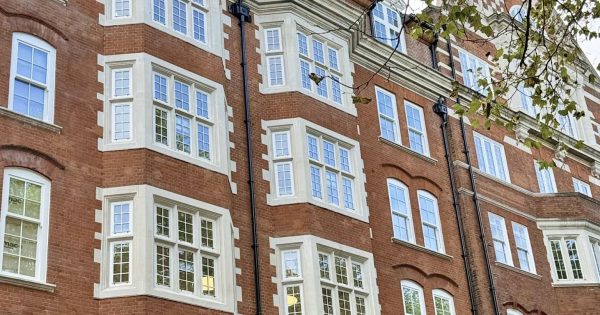
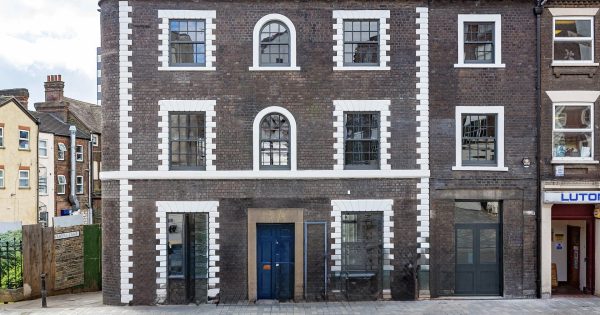
A manufacturer with a genuinely experienced team, rather than one assembling from bought-in components, is generally better placed to replicate original sash windows accurately. This matters most on Victorian sash windows and Georgian sash windows, where glazing bar widths, horn profiles and putty lines vary between periods and even between regions.
Compliance in conservation areas and listed buildings
Conservation area consent and listed building consent both scrutinise window replacement closely. Planning officers will typically compare a proposed new sash window against the original sash windows it replaces, checking sightlines, opening mechanisms and material.
A sash window manufacturer with genuine heritage expertise understands what a conservation officer is likely to ask for before the application is submitted. That reduces the risk of refusal and the delay that comes with resubmitting a scheme.
What does grade II listed status mean for window specification?
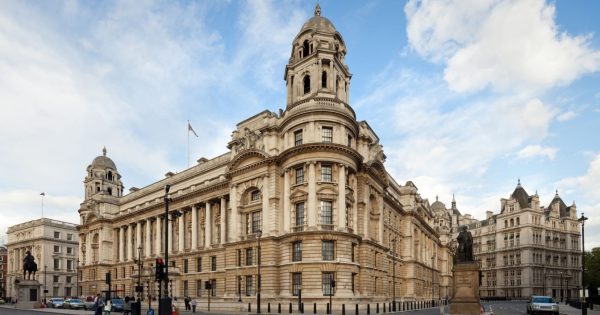
A grade II listing means the building is of special interest, warranting every effort to preserve it. For windows, this generally means matching the original design, materials and opening method rather than defaulting to standard replacement products, and securing listed building consent before any work begins.
Energy efficiency and modern performance
Timber sash window replacement no longer means a trade-off between traditional style and thermal efficiency. Modern double glazing, and increasingly vacuum glazing for tighter rebate depths, allows a new sash window to meet current performance expectations while keeping the sightlines of the original. Timber is also a naturally low-conductivity material, so a well-built timber frame supports the glazing unit’s thermal efficiency rather than undermining it.
Noise pollution is another factor gaining attention on urban and roadside sites. Acoustic glass, built into a properly draughtproofed sash, can deliver a meaningful reduction in noise transfer without altering the appearance of the window from the street.
A checklist for choosing a sash window company
When comparing sash window solutions, specifiers should look for:
- Demonstrable experience with original sash windows of the relevant period
- A track record on listed buildings and conservation area schemes
- Clear technical documentation, including NBS specification support
- A defined installation process with minimal disruption to occupied buildings
- Accreditation and warranty terms that offer genuine peace of mind
Why specifiers choose TRC Contracts
TRC Contracts has manufactured and installed timber windows and doors for over 30 years, working across listed buildings, schools, hospitals and social housing throughout the United Kingdom. The team offers heritage and traditional sash window ranges, including triple glazed and vacuum glazed options, acoustic sash windows for noise-sensitive sites, and a full window restoration and repair service for projects where replacement isn’t appropriate.
With NBS Source specification support, PAS 2030 accreditation and experience acting as principal contractor on complex restoration projects, TRC Contracts is set up to work directly with architects and main contractors from design through to expert installation.
Contact the TRC Contracts team or explore the new timber windows range to find the best options for your scheme.