
Fri Sep 25
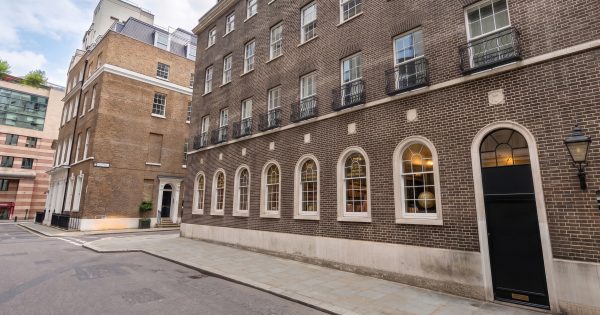
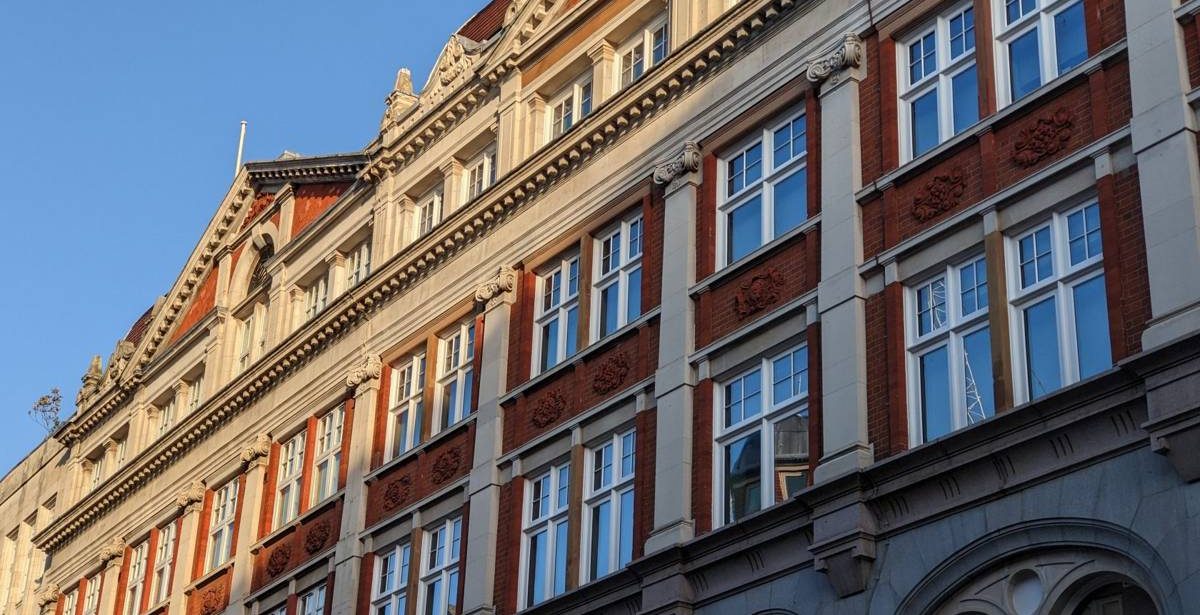
A sash window built in 1890 was never drawn with a dual carriageway outside it. Traditional sash windows were built for wind and rain, not for the sound wave of a bus pulling away at 2am. That’s the problem facing a lot of period properties now: the elevation a conservation officer wants protected is often the same elevation facing the busiest road.
TRC Contracts specifies and manufactures acoustic sash windows that close that gap directly. Independently tested to ISO 10140-2:2021, our acoustic glazing carries certified ratings from 33dB up to 40dB, built into a sash profile that changes nothing a planning officer would flag on a listed building.
Key takeaways
- Acoustic sash windows use mismatched glazing and acoustic seals to disrupt sound transmission, not just extra glass thickness.
- TRC’s acoustic ratings run from 33dB to 40dB, tested to ISO 10140-2:2021.
- Specification is set by elevation: a courtyard window and a street-facing window rarely need the same glass panes.
- The visual result matches a standard heritage sash, with the same glazing bars, horns and sightlines.
Why old sash windows let so much noise in
Original single glazing is one pane of glass in a timber frame, often behind a century of worn putty and loose beading. Sound waves pass through that single pane almost unchecked, and gaps around old panes and sash cords give noise pollution a second route in alongside the draughts.
Traffic noise isn’t a niche problem for older housing stock either. Across the EU, roughly 89 million people are exposed to road noise of 55dB or higher during the day-evening-night period, above the 53dB threshold the World Health Organization treats as the limit for road traffic exposure, according to the European Environment Agency. A period property on a busy road is rarely an edge case.
How acoustic sash windows actually reduce noise
Standard double glazing already outperforms single glazing, but it wasn’t engineered around sound. Two standard glass panes of matching thickness can resonate at certain frequencies, letting sound transmission through more than a smarter build-up would allow. Acoustic glass gets round that by mismatching the two panes on purpose.
TRC’s acoustic sash windows typically combine:
- Panes of glass at different thicknesses, so each one resists a different part of the sound spectrum
- A wider air gap between panes than a standard glazing unit
- Acoustic seals around the sash and meeting rail, blocking the external noise that gaps let past the glass alone
- On the most exposed elevations, a primary acoustic sash combined with a secondary internal pane, for a bigger jump in acoustic performance than glass alone
None of that shows up from the pavement. The manufacturing process happens inside the sightlines of a traditional sash, so the noise reduction comes through in the room without changing what the street sees.
Specifying by elevation, not by building
TRC designs acoustic sash windows around a facade-zoned approach rather than one glass type for every window in a particular property:
- Courtyard or rear elevations, sheltered from the road, often only need TRC’s standard double glazing for thermal insulation and energy efficiency
- Moderately exposed elevations typically move up to upgraded asymmetric glazing
- Street-facing elevations on a busy road are where the full acoustic specification, and sometimes that secondary pane, earns its place
That approach is checked against BS 8233 for internal noise criteria and local planning guidance, with TM59 overheating assessed where it applies. Where the acoustic build-up limits how often a window can safely open, ventilation strategy needs resolving at design stage, something TRC Consult factors in for architects and specifiers working to NBS specifications and BIM objects. The same wider cavity that improves sound insulation tends to lift thermal efficiency too.
Will acoustic glazing change how a listed sash window looks?
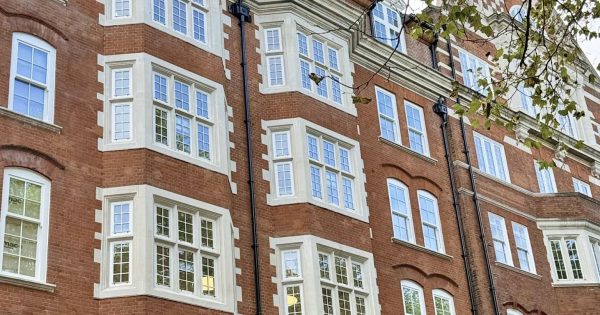
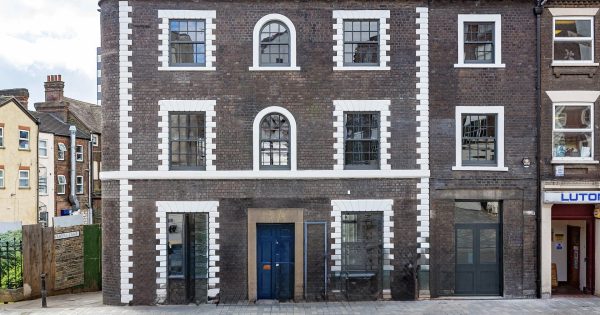
No. Acoustic sash windows keep the same glazing bar proportions and horn details as a standard heritage sash. The extra performance sits in the glass build-up and seals inside the frame, not in a wider profile, so a conservation officer sees an unchanged window front on.
Acoustic ratings in context
| Rating | Typical use case |
| 33dB | Courtyard or sheltered elevation |
| 36dB | Moderate street noise exposure |
| 38–39dB | Busy road, standard acoustic specification |
| 40dB | Heaviest exposure, primary sash with secondary pane |
Moving from single glazing to a 38dB acoustic specification is a dramatic difference in a room that used to rattle every time a lorry went past, not a marginal one.
New sash windows or sash window restoration?
Not every noisy sash window needs full replacement. Where the timber is sound, sash window restoration that swaps tired glass panes for an acoustic unit and fits new acoustic seals can bring a worthwhile drop in noise levels without touching the original frame. Where the timber has failed, or the old single glazing was never going to hit the numbers a busy elevation needs, new sash windows specified to an acoustic rating from the point of installation is the more reliable route. TRC manufactures timber sash windows to the same standard either way, decided on site against the actual timber rather than assumed from a drawing.
Talk to TRC about acoustic sash windows
TRC Contracts has specified timber windows on listed and period buildings for more than 30 years. Whether the job is new windows or a restoration, if street noise is shaping how a room gets used, get in touch with your property and elevation details, or explore the full acoustic sash windows specification to see how the ratings apply.