Fri May 22
The cost of sash window restoration depends on timber condition, glazing specification, access, and the scope of repair works required.
For a full refurbishment including draught-proofing and slim double glazing retrofit, budget between £1,300 and £1,750 per window.
A full like-for-like replacement, where restoration is not viable, starts from around £2,500 per window for Grade II listed specifications.
This guide gives architects and heritage specifiers a factual breakdown of restoration pricing, typical project stages, planning consent requirements, and realistic programme timelines, so you can scope, budget, and present restoration briefs with confidence.
What does sash window restoration actually include?
Before costing a project, it is worth being clear on what a full heritage restoration programme covers. Pricing varies significantly depending on whether a window needs minor servicing or full structural repair.
A typical restoration scope for a period timber sash window includes:
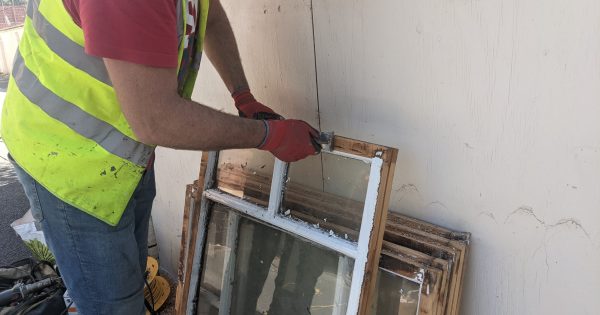
- Strip and overhaul: Removal of staff and parting beads, taking sashes out of the box frame, removing accumulated paint from pulley styles and meeting rails
- Timber repair: Cutting out decayed sections and reforming using a resin repair system such as Repair Care, or timber splicing with a matching species for larger losses to sills and rails
- Glazing: Removal and replacement of failed putty using a modern glazing compound, and where specified, installation of slim-profile sealed units into existing sashes
- Draught-proofing: Rebating beads to accept a brush pile weatherseal system, rehinging sashes on new cords or sash chains, and packing sashes to ensure meeting rails align
- Decoration preparation: Priming all bare timber prior to redecoration
At TRC, our window restoration service addresses this entire sequence as a single coordinated programme, with quality control procedures on site to ensure consistency across multi-window contracts.
Factors that affect the cost of sash window restoration
No two restoration projects cost the same. The variables below are the ones that move the budget most on commercial and heritage contracts.
Timber condition and extent of decay
This is the single largest cost driver. Localised rot to a sill or bottom rail can be addressed using a resin repair system, keeping costs contained. Where decay extends into pulley stiles, head frames, or structural box sections, timber splicing or partial frame renewal may be needed, which adds both material and labour costs. A pre-start condition survey should map the decay profile across all windows before a contract sum is agreed.
Glazing specification
Single glazing replacement is the lowest-cost option. Where the project brief includes an upgrade to slim-profile heritage double glazing or vacuum glazed units, costs increase substantially. TRC’s vacuum glazed box sash windows offer one of the most thermally efficient options available without compromising the historic appearance.
Window size and configuration
Larger windows require heavier counterweights, more glazing material, and longer labour hours per unit. Bay windows, curved sashes, and Georgian multi-light configurations with fine glazing bars add complexity.
Conservation area or listed building status
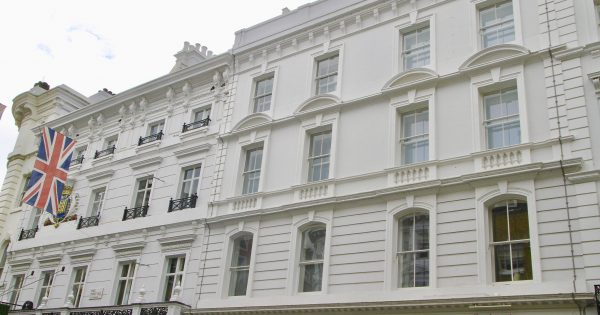
Projects within conservation areas or on listed buildings require compliance with consent conditions, which may specify particular materials, profiles, or glazing types. This can restrict the use of off-the-shelf products and require bespoke manufacture. Working to a conservation officer’s specification adds a layer of design development and approval time that should be factored into the programme, not just the cost.
Sash window restoration project stages and programme
A well-structured restoration programme follows a predictable sequence. Understanding the stages helps architects and contract administrators build realistic programmes and avoid costly late variations.
Stage 1: Condition survey and window schedule
Before any pricing can be confirmed, a physical condition survey is needed. A specialist contractor will assess each window, record decay locations, glazing condition, hardware status, and sash operation. This window-by-window assessment forms the basis of a refurbishment plan and is the only reliable way to produce an accurate contract sum.
TRC regularly carries out pre-contract surveys as part of the tender process for heritage contracts and can produce individual window schedules to support the specification.
Stage 2: Specification and consent
Where the project sits within a listed building or conservation area, the specification must be agreed with the relevant local planning authority before work starts. Listed Building Consent is required for restoration work that alters the character of the window, including glazing upgrades or changes to ironmongery profiles. Straightforward like-for-like timber repairs using matching materials are unlikely to need formal consent, but always confirm this with your conservation officer before proceeding.
Stage 3: Control samples and benchmarking
On larger contracts, most heritage clients and conservation officers will require a control sample window to be completed and approved before the full programme commences. This allows the colour, profile, repair quality, and glazing appearance to be signed off against the specification. Allow two to four weeks for sample production and sign-off. Skipping this stage on a significant listed building contract is a false economy. Rework costs far exceed the time spent agreeing a benchmark.
Stage 4: Phased site works
Restoration works are typically carried out on a window-by-window basis. Each window is taken out of service, repaired, reglazed where required, draught-proofed, rehung, and handed back before the next window is stripped. This approach minimises disruption to building occupants and reduces the risk of weather exposure to open frame boxes.
Stage 5: Decoration and handover
Restoration works hand back windows primed and prepared for decoration. External redecoration is typically carried out under a separate decoration contract or as a follow-on TRC decoration service. Repainting timber sash windows every five to ten years is the primary maintenance requirement post-restoration, and this cycle should be built into the client’s planned preventive maintenance schedule.
Ready to scope your restoration programme?
TRC carries out pre-contract condition surveys as part of the tender process and can produce individual window schedules to support your specification. With over 30 years’ experience delivering heritage sash window restoration across the UK, NBS Source specifications available for both restoration and new supply, and offices in Leicester, London, Manchester, and Edinburgh, TRC has the expertise and national reach to support your project from survey through to handover.
Contact the team to arrange a condition survey or discuss your brief.