Wed Dec 17
When specifying timber windows for period properties or heritage-sensitive developments, glazing bars often prove to be the detail that defines authenticity. These slim horizontal and vertical dividers serve both structural and aesthetic functions, breaking larger panes of glass into smaller sections while contributing significantly to a building’s architectural character.
Getting the specification right matters. The wrong profile, thickness or colour can compromise the visual integrity of a restoration project or new build designed to complement its surroundings. For architects, contractors and specifiers working on listed buildings, conservation areas or sympathetic new developments, understanding the nuances of glazing bar selection is essential.
This guide explores the technical considerations, design variations and performance characteristics that should inform your glazing bar specifications for timber and sash window projects.
The historical context of glazing bars
Glazing bars emerged from practical necessity rather than aesthetic choice. Before the Industrial Revolution made large sheet glass commercially viable, window panes were limited in size by manufacturing constraints. Crown glass and cylinder glass production methods of the 17th and 18th centuries could only produce relatively small panes of glass, necessitating a framework to hold multiple sections within a single window opening.
The glazing bar therefore performed a crucial structural role, supporting individual glass panes while maintaining weathertightness. As glass manufacturing advanced through the 19th century, pane sizes increased and glazing bars became progressively slimmer and more refined. By the Victorian era, technological improvements allowed for delicate profiles that maximised daylight while maintaining the traditional subdivided appearance.
Understanding this evolution helps when specifying for different property types. A Georgian townhouse demands different glazing bar characteristics than a Victorian villa or Edwardian terrace.
Functional characteristics and modern performance
Today’s timber glazing bars must satisfy dual requirements. They need to replicate historic profiles accurately while accommodating modern performance standards, particularly regarding thermal efficiency and weather resistance.
Traditional putty glazing with slender glazing bar profiles presents challenges when incorporating double glazing. The thickness of modern sealed units can make authentic replication difficult without careful detailing. Specialist manufacturers like TRC Contracts have developed systems that integrate contemporary performance with period-appropriate aesthetics.
Key functional considerations include:
- Structural integrity – supporting glass panes securely across the window’s lifetime
- Water management – preventing moisture ingress at junctions between timber, glass and glazing compound
- Thermal performance – minimising cold bridging while maintaining slim sightlines
- Durability – resisting decay, particularly at exposed external faces
- Maintenance accessibility – allowing for future repairs or glass replacement
For sash windows specifically, glazing bars must also account for the movement and mechanical stresses inherent in counterweighted or spring-balanced operation.
Design variations and profile selection
The range of glazing bars available encompasses numerous profile types, each associated with particular architectural periods and regional traditions.
Period-appropriate profiles
Georgian properties typically feature relatively robust glazing bars, often 18-22mm in width, with a simple ovolo or lamb’s tongue profile. The glass panes in these windows were small – frequently just 150-200mm in their largest dimension.
Victorian and Edwardian buildings saw refinement in glazing bar design. Profiles became more delicate, sometimes as slim as 12-15mm, with more pronounced mouldings. The Arts and Crafts movement introduced variations including square or chamfered profiles that departed from earlier conventions.
When specifying for heritage projects, obtaining accurate survey measurements from comparable original examples proves invaluable. Conservation officers and planning authorities increasingly scrutinise these details.
Material profiles and construction methods
Timber glazing bars can be constructed using several approaches:
- Through glazing bars penetrate fully through the window section, creating genuine separate compartments for individual glass panes. This represents the most authentic traditional method and remains appropriate for listed building work where planning conditions require exact replication.
- Applied glazing bars sit on the surface of larger glazing units, creating the visual appearance of subdivision without actually dividing the glass. For double glazing installations in less sensitive contexts, this approach offers improved thermal performance while maintaining period aesthetics.
- Internal and external bars with a sealed unit between provide an intermediate solution. The glazing bar is visible from both faces but the glass remains as a single insulated unit.
Each approach presents different implications for thermal performance, maintenance requirements and authenticity.
What thickness should glazing bars be for heritage projects?
Glazing bar thickness should match the original window design and period. Georgian windows typically require 18-22mm bars, while Victorian properties often specify 12-15mm profiles. Always survey comparable surviving examples and consult conservation guidance to ensure specifications meet planning requirements for listed buildings and conservation areas.
Colour and finish considerations
The colour specification for glazing bars significantly affects the overall appearance of timber windows. Period properties rarely featured stained timber externally – paint finishes provided essential weather protection while allowing for decorative treatment.
External faces traditionally received oil-based paint systems in colours appropriate to the building’s age and status. High-status Georgian buildings often used white or stone colours, while Victorian properties embraced a broader palette including deep greens, browns and even dark reds.
Internal faces might be painted to match external colours or treated differently, particularly in Georgian properties where internal joinery sometimes remained as stained and varnished softwood.
Modern microporous paint systems offer improved durability and reduced maintenance intervals while maintaining authentic appearance. When specifying colour, consider:
- Documentary evidence from paint analysis
- Surviving examples in the locality
- Conservation area guidance
- Client maintenance preferences
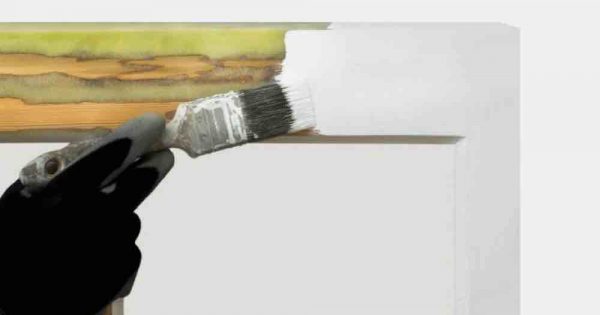
Factory finishing provides advantages including controlled application conditions and comprehensive coverage of complex profiles before assembly.
Accessories and integration with window hardware
Glazing bars must integrate with other window components including hinges, fasteners, sash lifts and restrictors. The positioning of glazing bars affects where these accessories can be mounted, particularly on sash windows where meeting rails need to accommodate locks and catches.
For properties requiring approved document Q security standards or Secured by Design certification, this integration becomes more complex. Security hardware often requires specific mounting positions that may conflict with authentic glazing patterns.
Early design coordination between window manufacturer, ironmongery supplier and project architect prevents specification conflicts emerging during manufacture.
Performance considerations for double glazing
Incorporating double glazing within traditionally proportioned timber windows with glazing bars requires careful technical resolution. The sealed unit thickness – typically 14-18mm for heritage-appropriate slim double glazing – must fit within glazing rebates originally designed for 3-4mm single glass.
This necessitates either:
- Deeper rebates achieved by increasing timber section sizes (which affects authenticity)
- Flush glazing techniques where glass sits proud of traditional rebate lines
- Applied bar systems that allow standard double glazing behind
TRC Contracts manufactures bespoke timber windows that address these conflicts, creating solutions appropriate to each project’s particular balance between heritage authenticity and thermal performance requirements.
The glazing bar profile itself can affect thermal performance. Solid timber bars create some thermal bridging, though timber’s relatively low conductivity limits this effect compared to metal spacer bars within sealed units.
Specifying for durability and professional finish
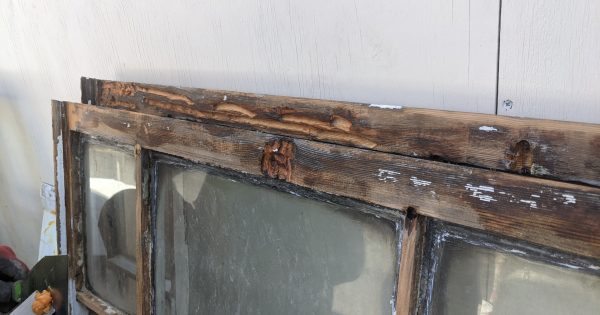
High quality manufacture and installation prove essential for long-term performance. Poorly executed glazing bar joinery creates vulnerability to water penetration and premature decay.
Critical details include:
- Proper jointing at intersections – typically mortice and tenon or mitred connections with adequate adhesive
- Seamless integration between glazing bar and window frame
- Appropriate glazing compound selection – either traditional linseed oil putty or modern alternatives
- Sufficient paint coverage on end grain and junctions
- Quality control during assembly to ensure consistent sightlines
The attractive appearance of timber sash windows depends substantially on precise execution of these details. Inconsistent bar positioning, visible adhesive squeeze-out or poorly finished mitres undermine both aesthetics and weather performance.
Making informed specifications
Selecting appropriate glazing bars requires balancing multiple factors: architectural authenticity, planning requirements, thermal performance, durability, budget and maintenance expectations.
For listed buildings and conservation areas, planning conditions may prescribe specific requirements. Early consultation with conservation officers clarifies expectations and prevents costly redesign.
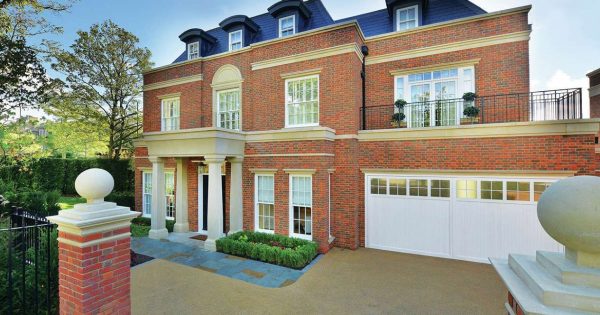
For new developments designed to complement historic contexts, greater flexibility exists but maintaining visual compatibility with surroundings remains important. Many local planning authorities provide design guidance that addresses window details including glazing patterns.
Working with specialist manufacturers experienced in heritage timber window production provides access to technical knowledge and proven solutions. The range of glazing bars, profiles and construction methods available allows most project requirements to be satisfied without compromising either authenticity or performance.
Partner with timber window specialists
TRC Contracts manufactures bespoke timber windows and sash windows for heritage restoration and sensitive new build projects throughout the UK. Our technical team works with architects, contractors and specifiers to develop appropriate glazing bar solutions for projects ranging from Grade I listed buildings to conservation area developments.
We offer comprehensive support including:
- Technical drawings and details for planning submissions
- Sample sections for assessment
- Period-appropriate profiles matched to survey dimensions
- Factory finishing in specified colours
- Installation guidance and on-site support
Understanding glazing bar selection represents just one aspect of successful timber window specification – but it’s a detail that defines quality and authenticity in the finished project.
For specification advice on your next timber window project, contact us to discuss your requirements.