Thu May 28
The cost of repairing sash windows depends on timber condition, glazing specification, access requirements and heritage compliance.
For architects and project managers specifying work on period buildings, that wide range makes early-stage cost modelling difficult. This guide breaks down each cost driver so you can build accurate preliminary budgets and hold more informed conversations with clients and conservation officers.
What drives the cost of sash window repairs?
No two windows carry the same price tag. Before any figure goes into a cost plan, four variables need to be assessed on site:
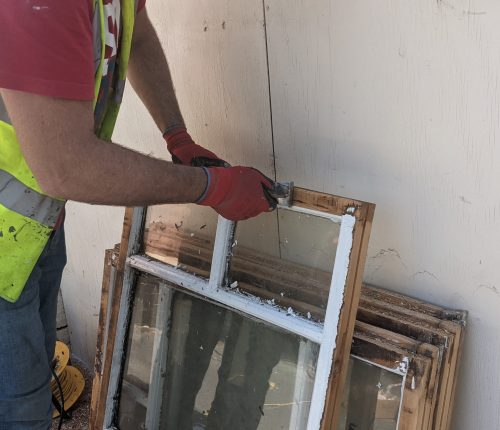
- Extent of decay. Minor repairs, such as replacing sash cords, freeing stuck pulleys or patching cracked putty, sit at the lower end of the scale. Rot in the sill, frame or glazing bars demands structural intervention using resin repair systems or timber splicing, which adds both materials and skilled labour time.
- Timber species and source. Original softwood like pine can often be matched like-for-like at moderate cost. Where hardwood such as oak is specified, or where conservation officers require period-accurate stock, material costs rise accordingly. On listed buildings, like-for-like reinstatement is frequently non-negotiable.
- Glazing type. Single-glazed repairs remain the most affordable option. Retrofitting slim double-glazed units into existing sashes, which many heritage projects now require for thermal performance, pushes the per-window cost considerably higher.
- Access and programme. Upper-floor windows often require scaffolding or specialist access equipment. On large contracts, scaffold costs are amortised across the project, but for smaller schemes they can represent a disproportionate addition to the per-window cost.
Repair vs. replacement: Making the right call
The decision to repair or replace sits at the centre of most project cost conversations. For architects working on conservation areas or listed buildings, repair is often the only consented route, and rightly so. Retaining original timber is both more sustainable and more authentic, and it tends to receive faster approval from local planning authorities.
That said, repair is not always the answer. When frames are structurally compromised beyond the reach of resin systems, when sill decay has undermined the entire window opening, or when thermal performance targets cannot be met through refurbishment alone, replacement with a heritage-matched unit becomes the practical route.
TRC Contracts offers a full condition survey service to give architects and project managers the evidence base they need before committing to either path. A proper condition survey produces a window-by-window schedule of works, making cost planning far more reliable than a desktop estimate.
Heritage and listed building factors
Sash window repairs on listed buildings and within conservation areas carry additional cost considerations that should appear in every preliminary budget:
- Conservation officer sign-off can extend the pre-contract programme and, in some cases, require a more expensive material specification.
- Resin repair systems such as Repair Care, which TRC uses across its restoration projects, are widely accepted by conservation bodies as a minimally invasive method. They allow decayed timber to be treated in situ without removing windows from the building, which reduces scaffold time and disruption costs.
- Draught-proofing is now a common condition on heritage repairs. Systems like Draftfix use hidden rebated seals that satisfy both performance and visual requirements without altering the window’s historic appearance.
- Vacuum glazing can meet current thermal insulation targets within existing sash boxes on the most sensitive buildings, avoiding any change to sightlines or reveal depths. It carries a premium over standard slim double glazing but eliminates the risk of planning objections.
Is repair a sound long-term investment?
For architects advising clients on whole-life costs, the case for repair holds up strongly. Well-restored sash windows, with routine maintenance, can last a further 20–30 years before further intervention is required. When weighed against the capital cost of full replacement, plus the embodied carbon of new manufacturing, refurbishment delivers better value across most project lifespans.
Annual maintenance, light sanding, paint touch-ups and periodic re-glazing of deteriorating putty are far less expensive than allowing decay to progress to the point where structural repairs become unavoidable. Delaying minor repairs consistently leads to more significant problems and a sharply higher cost of intervention.
For clients managing multiple properties, a rolling maintenance programme built into service contracts can distribute spend more predictably than reactive repairs.
Getting accurate costs into your project budget
The figures in this guide provide a solid starting framework, but accurate budget figures depend on a proper assessment of the windows themselves. Condition, access, glazing specification and heritage constraints all shift the final number materially.
TRC Contracts works directly with architects and project managers at specification stage, providing condition surveys, itemised schedules of works and full NBS Source specifications that can be incorporated directly into tender documents.
To discuss your project and receive an early-stage cost assessment, contact TRC Contracts today.