Mon Feb 23
Alu-clad windows represent one of the most compelling window solutions available today.
They combine the natural warmth of timber with the resilience of external aluminium cladding – delivering outstanding thermal performance, low maintenance and design flexibility in a single, specification-ready package.
At TRC Contracts, we’ve responded to increasing demand from commercial and high-end residential projects by introducing a dedicated alu-clad window range.
This blog sets out what alu-clad windows are, why they’re increasingly the right choice for demanding specifications and how TRC can support your project from initial enquiry through to installation.
What are alu-clad windows?
Alu-clad windows are timber-framed windows with an outer layer of aluminium cladding applied to the external face. The timber frame sits on the inside, providing the natural warmth and character that traditional timber windows are known for.
The aluminium profiles on the exterior protect the timber from the elements, creating a window system that is genuinely built to last.
This hybrid construction is what makes aluminium clad timber windows so well suited to the harsh British climate. Timber on its own requires periodic repainting or staining to stay in good condition. Aluminium on its own, while durable, can lack the warmth and acoustic quality of wood.
Alu-clad timber windows resolve both issues without asking you to compromise on either.
Why alu-clad is increasingly specified
The specification landscape has shifted. Clients and end users expect new windows to deliver across multiple performance criteria simultaneously – thermal efficiency, longevity, aesthetics and environmental credentials. Alu-clad windows meet that brief with considerable confidence.
Durability in the British climate
External aluminium cladding is inherently resistant to rain, UV exposure, wind and temperature fluctuation. For projects in coastal, rural or exposed urban locations – anywhere that faces challenging weather conditions – this matters enormously. The aluminium outer shell protects the structural timber frame from moisture ingress and degradation, significantly extending the service life of the window.
Traditional timber windows, when poorly maintained, can deteriorate within a decade. Alu-clad timber windows, by contrast, are designed to offer a long service life with little maintenance required beyond occasional cleaning.
Thermal performance that meets modern standards
Thermal performance is arguably the most critical metric in contemporary window specification.
Alu-clad windows deliver excellent thermal insulation through a combination of factors:
- Timber core: Timber is a naturally poor conductor of heat, meaning the frame itself contributes to the window’s overall thermal efficiency
- Thermal breaks: Many alu-clad systems incorporate thermal breaks within the aluminium profiles to further limit heat transfer between inside and outside
- High-performance glazing: When paired with double or triple glazing, alu-clad windows can achieve U-values that support Passivhaus and other low-energy design standards
The result is outstanding thermal performance that reduces heat loss, supports lower energy bills and contributes to the building’s overall energy efficiency rating.
Low maintenance without sacrificing character
One of the most practical advantages of alu-clad timber windows is how little maintenance they demand over their lifetime. The external aluminium cladding requires no painting, staining or sealing. It won’t rot, warp or blister. A straightforward clean with warm water is typically all that’s needed to keep the exterior looking well.
For contractors working on large residential developments or commercial projects, this translates into reduced lifecycle costs and fewer call-backs. For building owners, it means genuine peace of mind.
Design flexibility for architects and specifiers
A wide range of finishes and configurations
One of the strongest arguments for specifying alu-clad windows is their design flexibility. The aluminium outer cladding can be powder-coated in a wide range of RAL colours, allowing the external appearance of the window to be tailored to the architectural style of the building – whether that’s a contemporary new-build, a heritage refurbishment or a high-specification residential project.
Internally, the warmth of timber remains visible, providing the natural warmth and texture that many clients – and their occupants – actively seek. This dual aesthetic makes aluminium clad windows a popular choice wherever a building needs to read differently from the outside than the inside.
Configurations typically available include casement, tilt-and-turn and fixed options, allowing specifiers to address specific needs across a project, from maximising natural light ingress to meeting acoustic requirements.
Is there an alu-clad window to suit every project type?
Yes. The versatility of alu-clad windows means they are well suited to a broad range of project types – from high-end private residential and listed building refurbishments to commercial developments and multi-unit schemes. With a wide range of sizes, profiles and finishes available, it’s possible to specify alu-clad windows that meet demanding technical and aesthetic requirements across very different building types.
TRC Contracts’ alu-clad window range
TRC Contracts’ alu-clad windows are manufactured to a high specification, drawing on the proven combination of an engineered timber core and external aluminium cladding to deliver a window system that performs consistently across a wide range of project types and conditions.
Engineered for the demands of modern construction
The timber frame at the heart of TRC’s alu-clad windows is constructed from engineered timber, which offers greater dimensional stability than solid timber. This means the frame is less susceptible to movement caused by changes in temperature or humidity – an important consideration for projects where long-term performance and airtightness are specified requirements.
The external aluminium profiles are precision-fitted to the timber core, creating a weathertight bond that protects the structural integrity of the window over its lifetime. This construction approach is central to the system’s ability to withstand harsh weather conditions without compromising thermal performance or appearance.
Performance specifications worth knowing
TRC’s alu-clad windows are designed to meet the thermal and acoustic demands that architects and contractors increasingly encounter at specification stage. Key performance characteristics include:
- Excellent thermal insulation: The combination of engineered timber, thermal breaks within the aluminium profiles and compatibility with double or triple glazing units supports U-values as low as 0.8, suited to Part L compliance and beyond
- Outstanding thermal performance: The system is designed to minimise heat transfer, helping occupied buildings retain warmth and reduce reliance on mechanical heating
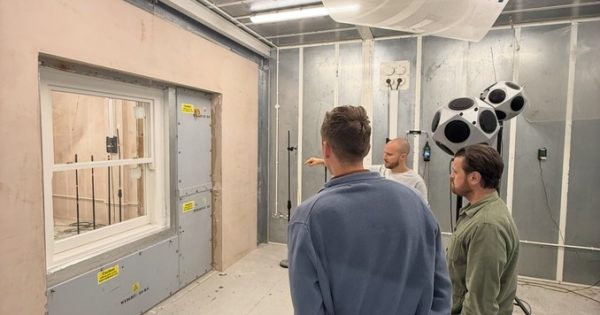
- Noise protection: The density and construction of the timber frame, combined with quality glazing and sealing, provides effective acoustic attenuation – useful for urban sites or projects near transport corridors
- Weather resistance: The external aluminium cladding is powder-coated for durability and will not rot, blister or require repainting, making it well suited to exposed locations and the demands of the harsh British climate
Finish and configuration options
TRC’s alu-clad windows are available in a wide range of powder-coated RAL colours externally, allowing the windows to be specified to match or complement the architectural language of any scheme. Internally, the natural warmth of the timber finish remains visible, offering a considered contrast between exterior robustness and interior character.
Window configurations available from TRC include casement and tilt-and-turn options, giving specifiers the flexibility to address natural light, ventilation and access requirements across different elevations and room types. Bespoke sizing is also available, making TRC’s range a practical choice for projects where standard dimensions are not appropriate.
Noise protection and occupant comfort
Beyond thermal considerations, alu-clad windows can contribute meaningfully to acoustic performance. The density of the timber frame, combined with quality sealing and glazing, provides effective noise protection – reducing the transmission of external noise and improving the comfort of interior spaces. For urban projects or developments near transport infrastructure, this is increasingly a specification priority.
TRC Contracts: A specification partner you can rely on
TRC Contracts has built its reputation on supplying high-quality window systems to architects, designers and contractors who need more than just a product – they need a supplier who understands specification, project timelines and performance requirements.
Our alu-clad window range has been developed with exactly that audience in mind.
We can provide detailed information on performance specifications, U-values and configuration options to support your project documentation. Whether you’re at RIBA Stage 2 or moving into technical design, our team is ready to work alongside you.
Speak to TRC Contracts about your next specification
If you’re specifying new windows for a commercial or residential project and want to explore whether alu-clad windows are the best option for your requirements, we’d welcome a conversation.
Contact the TRC Contracts team directly. We’re here to help you make an informed decision – and to support your project from first enquiry through to completion.