Thanks for getting in touch.
We'll get back to you shortly.
Need an urgent response?
Need an urgent response?
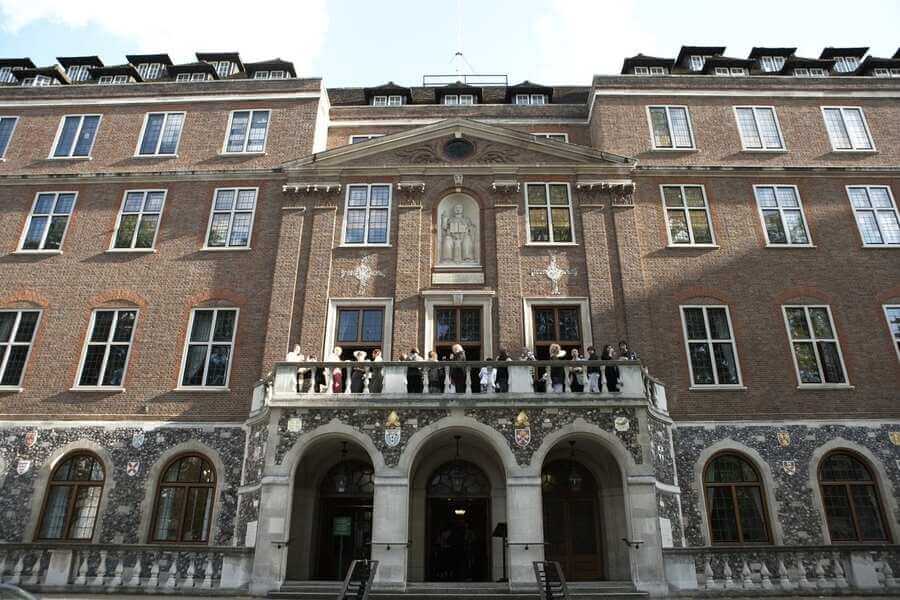
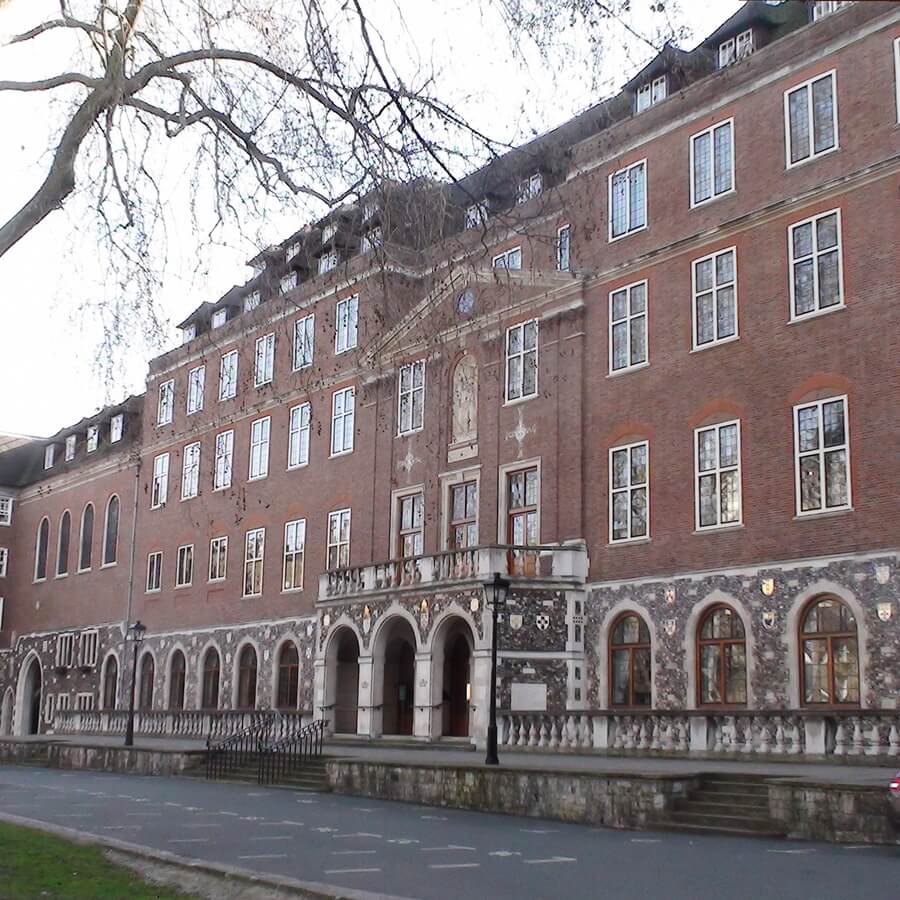
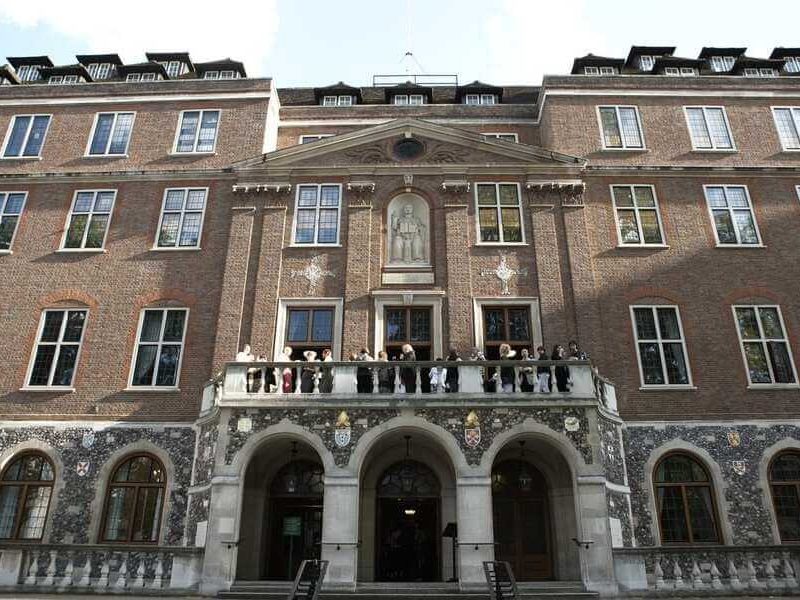
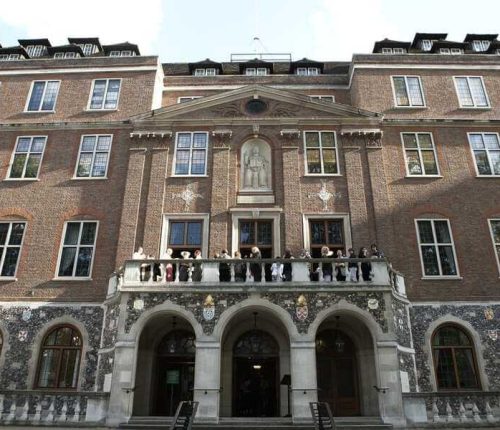
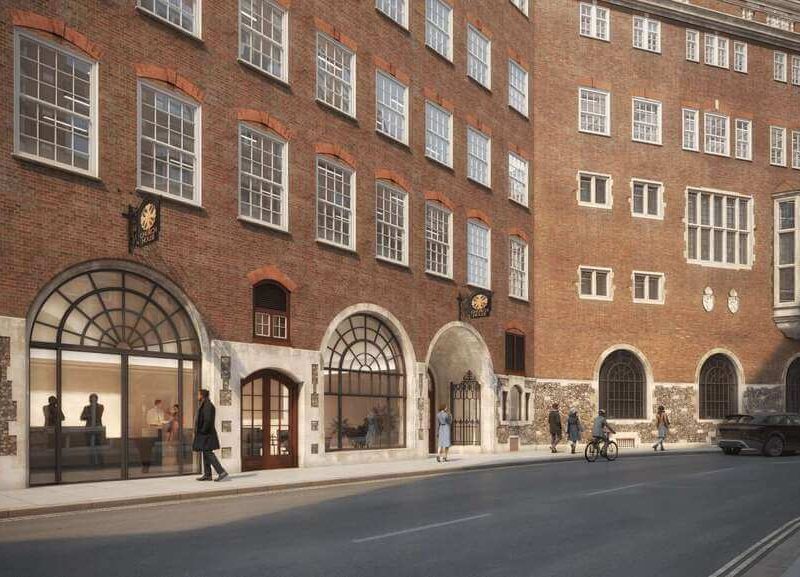
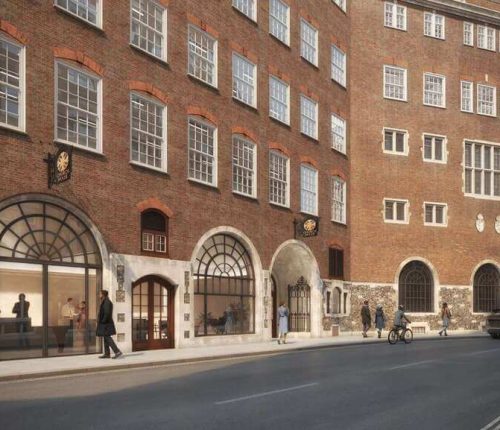
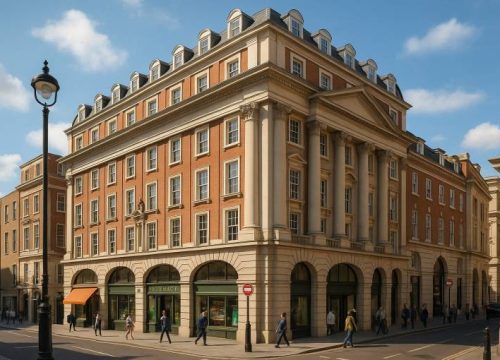
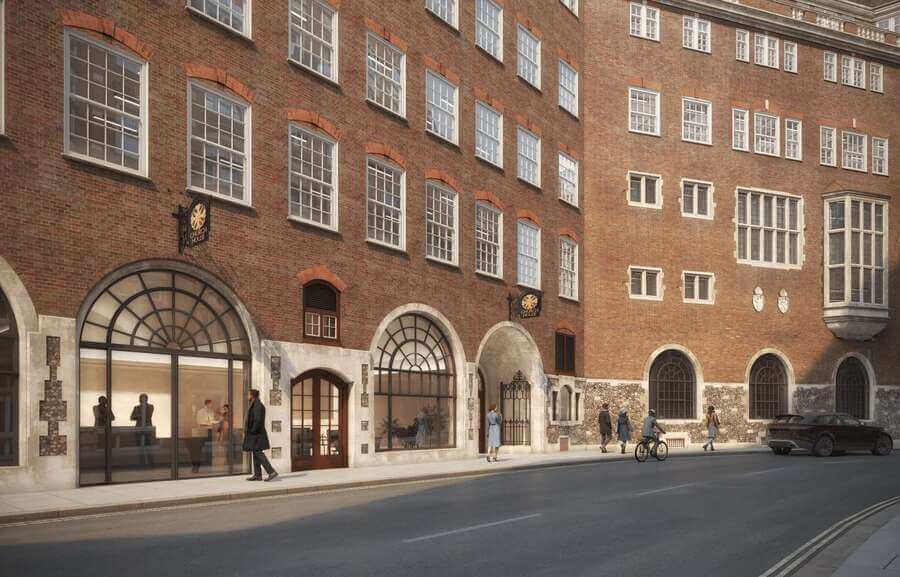
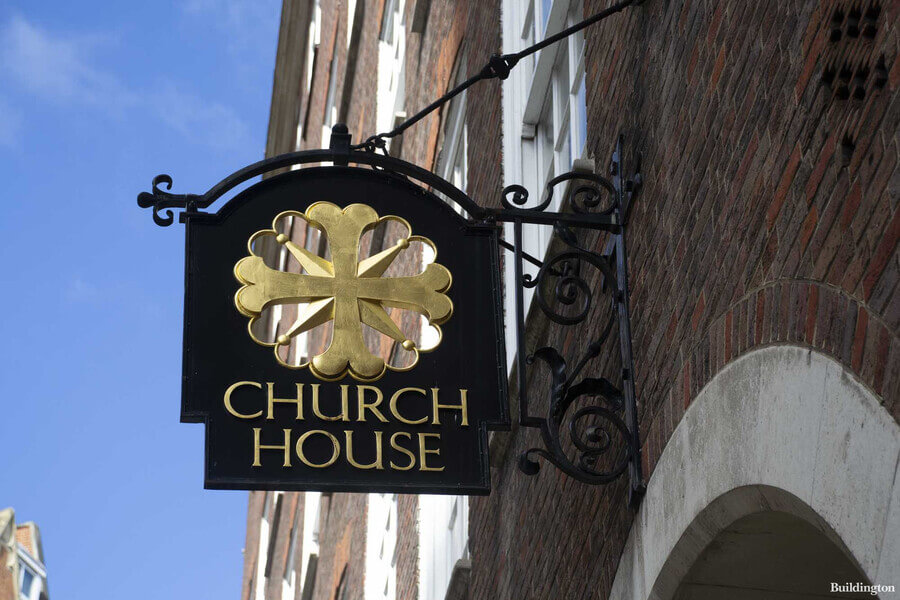
Church House was designed by renowned architect Sir Herbert Baker, with its foundation stone laid by Her Majesty Queen Mary on 26 June 1937. Completed in 1940, the building has served as the official headquarters of the Church of England ever since. During World War II, Church House provided parliamentary meeting facilities for both houses, and continues to host conferences for significant organisations including the United Nations and the UN Security Council when not in use by the church. The building achieved Grade II listed status in 1988. The current refurbishment project delivers over 45,000 sq. ft of modern flexible office facilities for new and existing tenants.
The project
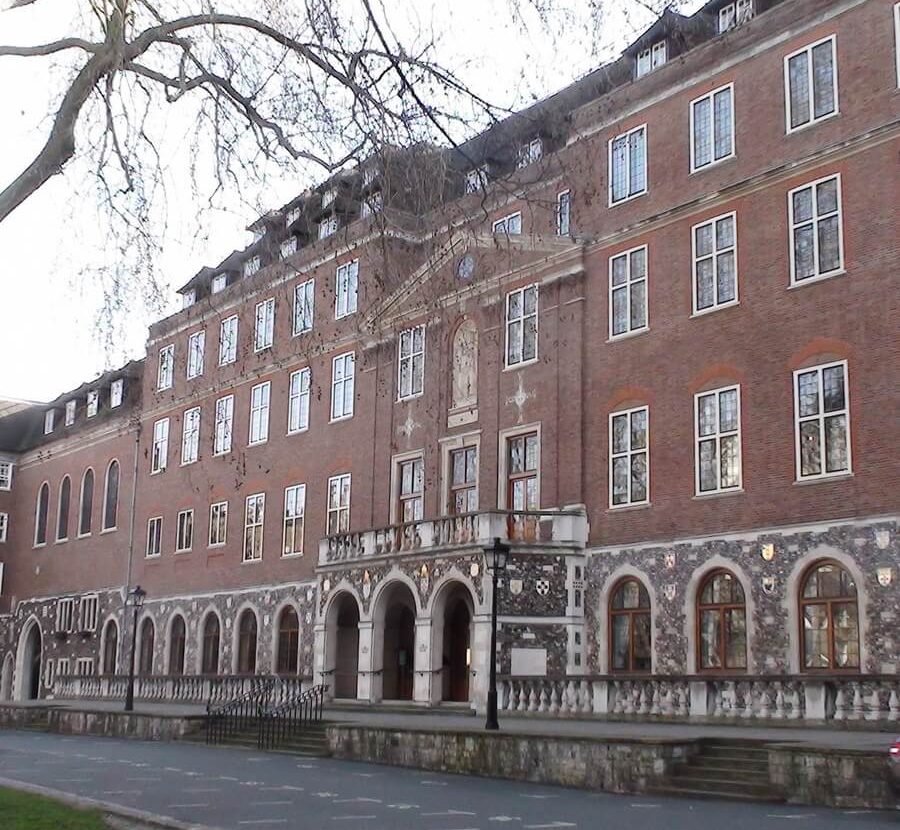
As heritage window specialists, TRC Contracts undertook a comprehensive survey of 160 existing sash and casement windows at Church House. The nearly 100-year-old timber windows required careful restoration to bring them back to working order and improve their appearance. Working within the constraints of the building’s central location, our team employed traditional timber restoration methods combined with modern materials to repair damaged frames and sashes, replace rotten wood, and restore original glazing.
We also implemented draught-proofing techniques, installing weatherpile to improve thermal and acoustic performance while preserving the windows’ original architectural character.
A challenging restoration
This project presented unique challenges for TRC Contracts. The Church House timber windows, being nearly 100 years old, were in a state of disrepair, having endured years of exposure to harsh elements and fluctuating British weather conditions. An assortment of window types, including semi-circular arched windows, stone mullioned windows, and transomed ground floor windows, added another level of complexity, yet their historical significance demanded a careful and professional restoration approach. The building’s central location and constant movement of people did not permit the use of scaffolding. Consequently, most of the work was completed internally, using safe working methods prepared by our own health and safety consultants.
TRC Contracts’ team of skilled surveyors examined each window, assessing the extent of damage and identifying the most appropriate restoration techniques. Using traditional timber restoration methods and intensive craftsmanship combined with modern materials, we successfully restored the windows. This involved repairing damaged frames and sashes, replacing rotten wood, and carefully restoring the original glazing. Our attention to detail ensured that the windows retained their original architectural character, preserving the heritage of this historic building and improving both functional and aesthetic appeal.
Improving efficiency
While preserving the historic character of the windows was paramount, TRC Contracts also implemented modern draught-proofing techniques to improve the energy efficiency of the building. The installation of weatherpile significantly reduced heat loss and improved overall thermal and noise reduction performance of the windows.
At TRC Contracts, we offer a wide range of window refurbishment and replacement services. Every job is unique, but we are confident we will have an effective solution for your project. If you are considering a renovation and need help with where to start with your project, request a quote today.